

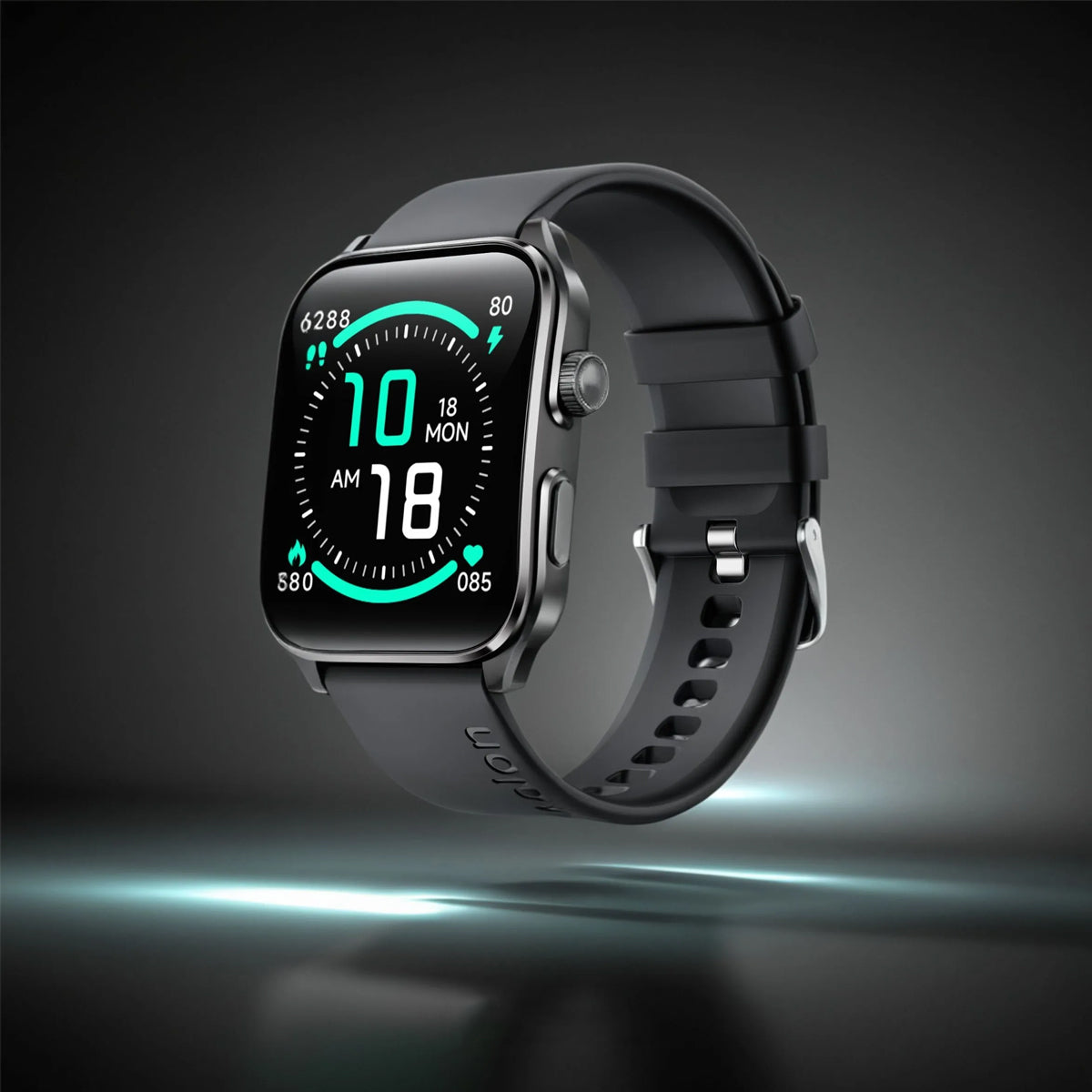

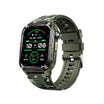

Short answer: Yes, darker skin can make wrist-based heart rate less reliable — but how much less depends heavily on the brand and the situation. One major watchmaker keeps the error under 5 bpm across skin tones. Others underestimate by 10–15 bpm at rest and by more than 20% during hard exercise in darker-skinned users. The problem is real, it’s measurable, and it’s finally getting attention from engineers and regulators. Here’s the plain-English version.
How PPG Works — and Where Melanin Gets in the Way
Your watch’s optical heart rate sensor uses PPG (photoplethysmography). Green LEDs shine into your skin, and a photodiode measures the light that bounces back. With every heartbeat, blood volume changes, and the reflected light flickers in a rhythm your watch reads as your pulse.
Here’s the physical conflict: melanin — the pigment that gives darker skin its color — is a highly efficient absorber of light, especially in the green wavelengths most wearables use. Less light returns to the sensor. The pulsatile signal — the tiny, heartbeat-driven flicker — gets weaker and harder to separate from noise.
It’s not that PPG “doesn’t work” on darker skin. It’s that the signal-to-noise ratio drops, and every engineering decision after that determines whether the watch compensates gracefully or falls apart.
The Research: Brand Differences Are Huge, and Exercise Exposes Them
This is where the story gets more nuanced than “dark skin = bad readings.”
A 2025 systematic review pooled 23 studies and found a striking split:
-
One major brand held mean heart rate differences under 5 bpm across skin tones (95% CI: −3.2 to +4.1).
-
Other brands underestimated heart rate by 10–15 bpm at rest and by over 20% during vigorous activity in darker-skinned users.
A separate 2025 PLOS One study added a crucial detail: at rest, skin tone made no significant difference in error across groups. But as exercise intensity climbed, the gap widened dramatically. In the highest intensity bracket (>60% heart rate reserve), the dark skin tone group’s mean error hit 16.5 bpm — more than four times the 3.5 bpm error of the light skin tone group at the same intensity.
A 2026 study comparing Apple, Garmin, Fitbit, and Samsung during cycling found a similar pattern: Apple and Garmin had the lowest error, while Fitbit and Samsung showed greater inaccuracy, with higher BMI and darker skin tones associated with increased error.
The takeaway: darker skin doesn’t automatically mean a terrible reading. It means the margin for error is thinner — and the watches that handle it best are the ones that compensate actively rather than relying on a one-size-fits-all optical design.
What’s Being Done: Engineering, Not Excuses
The fix isn’t a single breakthrough. It’s a stack of small engineering decisions.
Dynamic LED power. Apple’s sensor platform automatically increases LED current and sampling rate when signal levels are low — a direct response to darker skin and tattoos absorbing more light. Garmin and Fitbit have reportedly done similar. This helps, but it’s a blunt instrument: more power means more battery drain and more heat.
Adaptive multi-wavelength sensing. Newer research systems use four spectrally spaced LEDs and a programmable-gain front end, adjusting drive currents in real time based on signal quality. In a 2026 IEEE prototype, this approach improved heart rate accuracy across four different skin tones compared to traditional two-wavelength, constant-current PPG.
Algorithmic calibration. Better noise filtering and adaptive calibration separate the cardiac signal from motion and pigment noise. This is where brands like Apple and Garmin have pulled ahead — not necessarily with better raw sensors, but with better software.
Regulatory pressure. The FDA’s 2026 draft guidance for cuffless blood pressure devices now explicitly requires validation cohorts with at least 25% of subjects in each Monk skin tone category — a signal that optical fairness is moving from a nice-to-have to a regulatory expectation.
What You Can Do If You Have Darker Skin
You can’t change your melanin. You can change how you use the watch.
1. Wear it higher and snugger. One finger’s width above the wrist bone, flat against the skin, snug enough that light can’t leak in. A loose fit compounds the melanin problem by adding motion noise on top of signal attenuation.
2. Treat workout readings with more skepticism. The research is clear: resting readings are far more reliable across skin tones than exercise readings. If you’re doing intervals or heavy lifting, don’t treat your watch’s peak heart rate as gospel.
3. Use a chest strap for high-intensity training. This is the most reliable fix. Chest straps measure the heart’s electrical signal (ECG) , not reflected light — so skin tone, tattoos, and wrist movement don’t affect them at all. If you train by heart rate zones, a chest strap is worth the $60–$90.
4. Check signal quality before you trust a reading. Some watches show a signal strength indicator or prompt you to adjust the fit. Use it. If the watch tells you the signal is poor, believe it.
5. Know your device’s track record. The research shows meaningful brand differences. If accurate heart rate on darker skin matters to you, look for devices that publish validation data across Fitzpatrick or Monk skin tone scales — not just marketing claims.
The bottom line: Darker skin makes PPG harder, but it doesn’t make it impossible. The gap between the best and worst devices is enormous — under 5 bpm versus over 20% error — and the gap widens during exercise. The technology is improving, regulation is catching up, and a chest strap remains the one workaround that sidesteps the problem entirely.
Your watch isn’t racist. But it was likely designed on a dataset that didn’t look like you. That’s changing — slowly, and not evenly. ❤️


Jätä kommentti
Tämä sivu on suojattu hCaptcha-tunnistuksella, ja hCaptchan tietosuojakäytäntöjä ja käyttöehtoja sovelletaan.